Downsizing in Myrtle Beach: A Practical Guide
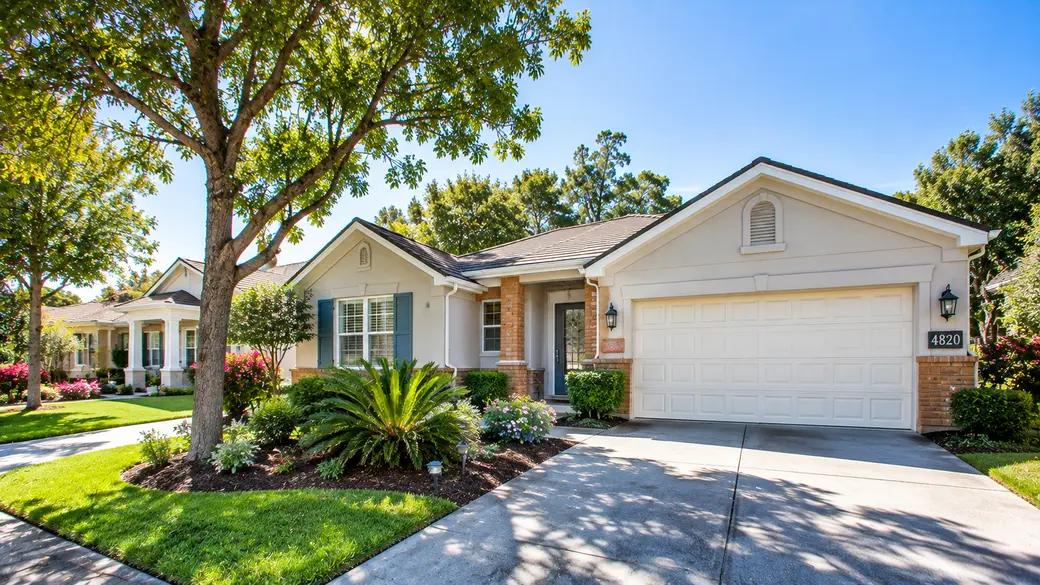
Downsizing in Myrtle Beach can reduce home upkeep, simplify daily routines, and help you redirect equity toward the priorities that matter most. The move is not simply about choosing fewer square feet. It means finding a home in this Horry County city that fits your storage needs, preferred location, mobility goals, and long-term budget. Start by deciding what you truly use, then compare ownership responsibilities and monthly costs before listing your current home. A measured plan can preserve the belongings, features, and financial flexibility that matter most.
Is Myrtle Beach a Good Place to Downsize?
Myrtle Beach can be a practical place to downsize because many households can choose lower-maintenance housing while staying close to coastal recreation, services, and healthcare.
Older-adult presence: About 23.7% of Myrtle Beach city residents are 65 or older, according to U.S. Census Bureau Vintage 2025 estimates.
Home-price baseline: Single-family homes in Myrtle Beach ZIP codes 29572 and 29577 had a median sale price of $488,000 in September 2026, while condos and townhouses had a median of $177,450. That gap is the starting point for estimating how much equity a move to a smaller home could release. Source: local MLS data, September 2026.
Homestead relief: Eligible South Carolina homeowners age 65 or older, totally and permanently disabled, or legally blind may qualify for the homestead exemption on a qualifying legal residence. For tax year 2026 only, the state temporarily raised the exemption to $75,000 of fair market value from the usual $50,000.
Transit access: Coast RTA operates public bus routes in Myrtle Beach, which can matter for downsizers who expect to drive less. Check routes and stops near any home you are considering.
Coastal lifestyle: Mild winters support year-round access to beaches, golf, dining, and outdoor recreation.
Myrtle Beach Downsizing by the Numbers
Myrtle Beach downsizers should compare their current home, replacement-home costs, and legal-residence tax treatment before estimating how much equity a move may release.
| Measure | Myrtle Beach figure | Period |
|---|---|---|
| Single-family median sale price (ZIP codes 29572 and 29577) | $488,000 | September 2026 |
| Condo and townhouse median sale price (same ZIP codes) | $177,450 | September 2026 |
| Condo and townhouse inventory | 1,470 units | September 2026 |
| Residents age 65 and older, Myrtle Beach city | 23.7% | Vintage 2025 |
| Median monthly owner costs without a mortgage, Myrtle Beach city | $519 | 2020-2024 |
| Assessment ratio, qualifying legal residence | 4% | Current county rule |
| Homestead exemption, qualifying owners | $75,000 for tax year 2026 (normally $50,000) | Tax year 2026 |
Sources: local MLS data, September 2026; U.S. Census Bureau QuickFacts; Horry County; South Carolina Department of Revenue.
Why People Downsize in Myrtle Beach
People downsize in Myrtle Beach most often to trade unused space and ongoing maintenance for a home that better fits their present routine. A larger detached property can bring more exterior work, more rooms to furnish, and higher costs tied to utilities, repairs, landscaping, and insurance. A smaller condo, townhome, patio-style home, or service-oriented senior living setting can shift some of those responsibilities to an association or community staff.
The financial benefit depends on net equity, not simply square footage. The September 2026 single-family median in Myrtle Beach ZIP codes 29572 and 29577 was $488,000, but an individual household's result depends on its mortgage balance, sale expenses, replacement-home choice, association charges, and moving plan. A smaller home near the coast may cost less than a larger home, yet building amenities, insurance requirements, and location can materially affect the final budget.
Taxes can also shape the decision. Horry County applies a 4% assessment ratio to approved legal residences, while other real property is generally assessed at 6%. Eligible owners may also qualify for the state homestead exemption. Both benefits are tied to the specific property, so if you move within Horry County you will need to apply again for the new home. Confirm eligibility before treating either benefit as part of a retirement budget.
For many downsizers, the practical reward is fewer rooms to manage, less outdoor work, and more time for travel, family, recreation, and everyday errands.
Your Downsizing Options in Myrtle Beach
Myrtle Beach offers several downsizing paths, and the best fit depends on how much maintenance, privacy, storage, and service you want from the next home.
Condominiums can work well for lock-and-leave buyers who want shared exterior maintenance and access to amenities. The September 2026 condo market gave buyers more leverage: the median fell 25.4% from a year earlier, inventory rose to 1,470 units, and sellers received 94.2% of list price on average. Before choosing a building, review the master insurance policy, reserve funding, rental restrictions, current dues, and any planned repairs or special assessments. Coastal buildings deserve particularly close insurance and storm-readiness review.
Townhomes may provide more separation between living spaces and bedrooms than a typical condo. They can suit downsizers who still want guest space, a garage, or a small outdoor area, while accepting that maintenance duties vary by association.
Patio homes and smaller detached homes can appeal to owners who prefer one-level living, private outdoor space, and fewer shared walls. They often provide a familiar ownership structure with a more manageable footprint, although the owner may remain responsible for most exterior work.
Active-adult communities can fit buyers seeking social programming and maintenance-light living. Del Webb at Grande Dunes is an age-qualified 55+ community on the Intracoastal Waterway side of Grande Dunes, with single-level and low-maintenance home designs. Review age rules, fees, guest policies, and resale restrictions before making a commitment.
Independent-living and continuing-care communities can be appropriate for homeowners who want meals, programming, housekeeping, or optional support services. Brightwater, TerraBella Myrtle Beach, and Portside at Grande Dunes are among the local options, and their fee structures differ from traditional ownership, so compare included services carefully.
For a sale-first strategy, a professional home valuation can help establish the equity side of the plan before you compare replacement-home options.
Downsizing Housing Types Compared
Myrtle Beach downsizers should compare the ownership structure and documents behind each home type, not just the purchase price. Association fees, insurance deductibles, reserve funding, rental rules, and maintenance obligations can change the long-term cost of a smaller home.
| Housing type | Maintenance responsibility | Key documents to review | Best for |
|---|---|---|---|
| Condominium | Association commonly handles common areas and exterior elements | Master insurance, reserves, special assessments | Lock-and-leave owners and frequent travelers |
| Townhome | Shared rules vary by community | Dues, inclusions, reserve funding | Buyers who want more separation and storage |
| Patio home | Owner may handle some or all exterior maintenance | HOA rules, if any, and exterior responsibilities | Owners seeking smaller-scale detached living |
| Active-adult community | Shared-area upkeep is commonly managed | Age rules, fee schedule, transfer charges | Active retirees seeking social amenities |
| Independent living | Community manages building operations and services | Service agreement, monthly charges, fee changes | Buyers prioritizing convenience and support |
Ask for the association budget, master insurance declaration, reserve information, rental restrictions, meeting minutes, and any notice of upcoming capital work before making a final comparison. Browsing current Myrtle Beach listings by property type can help you see what each option looks like at your target price.
The Financial Side of Downsizing
Downsizing in Myrtle Beach works financially when you calculate net proceeds rather than subtracting one home price from another. Start with a realistic sale estimate, then subtract the mortgage payoff, seller closing expenses, moving costs, decluttering services, and any repairs or preparation you choose to complete. The remainder is the equity available for the replacement home, savings, travel, or other goals.
Federal tax rules may matter when a longtime primary residence has appreciated. Under IRS Publication 523, eligible sellers may generally exclude up to $250,000 of gain, or up to $500,000 for married couples filing jointly, if ownership and use requirements are met. Review your circumstances with a qualified tax professional before relying on an exclusion.
South Carolina also imposes a deed recording fee when real estate transfers. The fee is $1.85 for each $500 of realty value, or fraction of $500, above $100, which works out to $1,850 on a $500,000 sale. Closing documents should show how that cost is allocated for your transaction.
For a qualifying legal residence, Horry County applies the 4% assessment ratio. Eligible homeowners who are age 65 or older, totally and permanently disabled, or legally blind may qualify for the homestead exemption, subject to residency and application requirements. The temporary $75,000 amount applies to tax year 2026 only and returns to $50,000 unless lawmakers extend it. Build these items into a written net-proceeds worksheet rather than relying on a simple sell-high, buy-low estimate.
Selling vs. Renting Out Your Current Home
Some downsizers keep their larger home and rent it out instead of selling, using the rental income to support the next stage of life. That can work, but it changes the math.
Taxes: Once the home is no longer your legal residence, it generally moves from the 4% to the 6% assessment ratio, and you lose any homestead exemption on that property.
Rental rules: Within Myrtle Beach city limits, short-term rentals of less than 90 days are not allowed in most residential zones, and the city requires a business license for rental properties. Many HOAs add their own leasing rules.
Management: Tenant screening, maintenance requests, hurricane preparation, and vacancy planning take steady attention. Many owners who keep a home as a rental line up property management before the first lease is signed.
If the rental only works under best-case assumptions, selling is usually the cleaner path to releasing equity.
Don't Overlook These Downsizing Costs
Downsizing costs often extend beyond the sale and purchase figures, especially when the next home is association-managed or the move happens in stages.
Association move-in charges: Communities may require application, transfer, move-in, or capital-contribution fees. Request a current written fee schedule before committing to a property.
Temporary storage: Storage can become necessary when the closing dates do not align or when family decisions take longer than expected. Compare access terms, insurance coverage, and the number of months you may need the unit.
Decluttering and estate-sale help: Organizers, haulers, estate-sale coordinators, cleaners, and consignment services can save time. Ask whether charges are hourly, flat-fee, commission-based, or tied to unsold items.
Condo insurance exposure: A master policy does not necessarily cover everything inside the unit. Review deductibles, wind coverage, interior responsibility, and the possibility of special assessments.
Mortgage-interest changes: Paying cash can reduce monthly obligations, but it may also reduce or eliminate mortgage-interest deductions. Discuss the broader tax and liquidity implications with a tax professional.
What to Keep, What to Let Go
The best downsizing decisions begin with the new floor plan, not with moving boxes. Measure major furniture, including depth, door clearance, and circulation space, then compare those dimensions with rooms, hallways, elevators, closets, and storage areas in the smaller home. A dining table may technically fit yet still make daily movement uncomfortable.
Sort belongings into four categories: items you use regularly, items with lasting personal value, items suitable for sale or donation, and items that need limited temporary storage. The goal is not to remove every reminder of a longtime home. It is to make sure the next home supports the way you want to live now.
Myrtle Beach households can consider local donation centers, consignment shops, estate-sale services, and removal providers. Before arranging pickup or a sale, ask what items are accepted, whether unsold belongings are removed, and how commissions or disposal fees work.
Give emotional decisions more time than practical ones. Family photographs, heirlooms, collections, and furniture connected to important memories often require conversations with relatives. Offer keepsakes early, photograph meaningful objects, and keep a small decide-later group with a firm review date. That approach makes room for both practicality and sentiment.
Timing Your Downsize in Myrtle Beach
The best timing for a Myrtle Beach downsize is a coordinated plan that identifies realistic replacement-home choices before the current home is listed. Begin by narrowing the housing types, locations, and ownership structures that fit your budget and maintenance goals. Then prepare the existing home while monitoring options that meet those requirements.
Market conditions differ by property type. In September 2026, single-family homes in Myrtle Beach ZIP codes 29572 and 29577 averaged 129 days on market and sellers received 96.1% of list price, while condos and townhouses averaged 136 days and 94.2% of list price. Rather than assuming one month is always best, compare active competing listings, recent contract activity, association requirements, and your personal deadline.
If sale proceeds are needed for the next purchase, discuss timing options early. A sale contingency, rent-back agreement, temporary rental, or bridge financing arrangement may be possible depending on lending terms and the strength of each offer. Each option carries different costs and negotiating tradeoffs. Our broader guide to retiring and downsizing in Horry County covers the sequence in more detail.
A clear plan should include a target listing date, a replacement-home budget, a backup housing option, and a decision point for reducing or donating belongings if the move timeline changes.
Pro-Tip: The most common mistake is selling before identifying realistic smaller-home options, so build a workable short list and a backup housing plan before your property goes live.
Ready to Downsize in Myrtle Beach?
Joshua Haas, a REALTOR® and Broker Associate licensed in South Carolina, helps Myrtle Beach homeowners coordinate the sale of a longtime home with the search for a smaller space that fits the next stage of life, including weighing a sale against keeping the home as a rental. For a straightforward conversation about timing, equity, and housing options, call or text Joshua at (856) 296-1093, email joshua.c.haas@gmail.com, or reach out through the contact page.
Frequently Asked Questions About Downsizing in Myrtle Beach
What is the best type of home to downsize into in Myrtle Beach?
The best choice is the home that matches your preferred maintenance level, storage needs, and mobility priorities. Condos can suit lock-and-leave ownership, while townhomes and patio homes may offer more privacy, storage, or room for guests.
How much equity can I expect to free up by downsizing in Myrtle Beach?
Released equity is your net sale proceeds after the mortgage payoff and selling costs, minus the full cost of the replacement home and move. In September 2026, the single-family median in Myrtle Beach ZIP codes 29572 and 29577 was $488,000 and the condo median was $177,450, but your result will depend on your current home, debt balance, and replacement-home costs.
Are there property tax benefits for seniors or retirees in Myrtle Beach or South Carolina?
Yes. A qualifying primary residence receives the 4% assessment ratio, while other real estate is generally assessed at 6%. South Carolina's homestead exemption for qualifying owners who are 65 or older, disabled, or legally blind is $75,000 for tax year 2026 only, and normally $50,000.
Should I sell my current home before buying a smaller one in Myrtle Beach?
Selling first can clarify your available equity and reduce the risk of carrying two homes at once. Buying first may make the move feel more controlled, but it requires enough cash, financing capacity, or a backup plan to manage the overlap.
What 55+ or active-adult communities are available in Myrtle Beach?
Age-qualified and senior-living options include Del Webb at Grande Dunes, Brightwater, TerraBella Myrtle Beach, and Portside at Grande Dunes, each with different home styles and service levels. Compare age rules, monthly charges, amenities, maintenance responsibilities, and restrictions before selecting a community.
Categories
Recent Posts